Search Results
March 24, 2026 - Weingarten

Study on Intralogistics Leasing: Full-Service Fleet Management, Automation, and Outsourcing Significantly Reduce Total Costs

•  Full-service leasing lowers the TCO of industrial trucks, especially when utilization rates are optimal

•  AGVs reduce costs in the scenario by up to 50 percent and alleviate the shortage of skilled workers

• Outsourcing to 3PL service providers brings additional flexibility and economies of scale

How can the total cost of ownership (TCO) in intralogistics be sustainably reduced – without sacrificing performance? A new study by the Technical University of Munich shows: Professionally managed fleet management through full-service leasing, the use of Automated Guided Vehicles (AGVs), and outsourcing to specialized logistics service providers offer significant economic advantages over traditional purchase and operator models.
Full-service leasing: Cost advantages through optimal service life

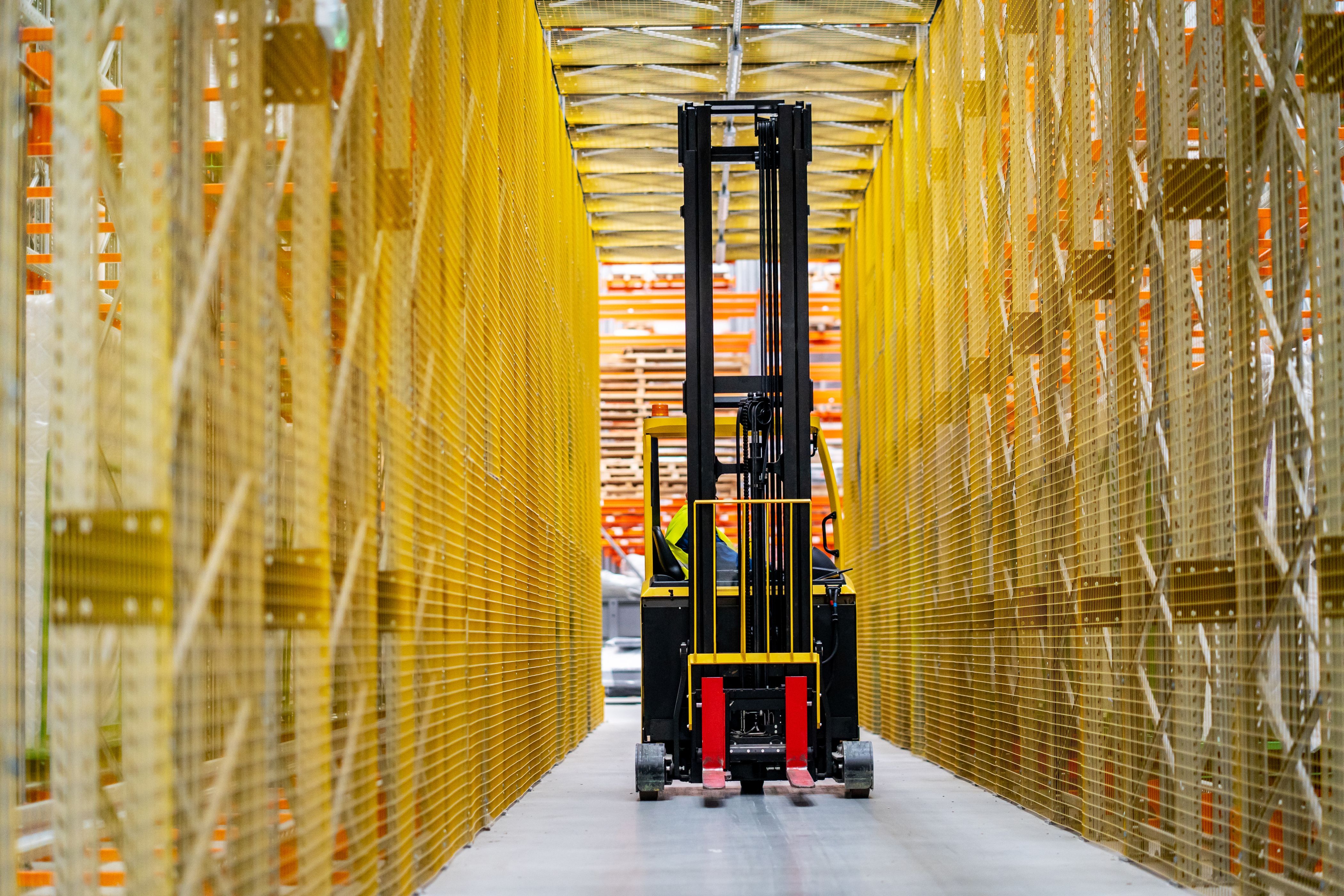
The study concludes that full-service leasing for intralogistics vehicles is particularly cost-effective when the vehicles are replaced at the optimal usage cycle. Instead of operating fleets for very long periods and accepting rising repair and downtime expenses, the useful life is systematically adapted to the vehicle type and application model.

This becomes particularly clear in the example of an electric forklift (1.6 t, two-shift operation, analyzed over eight years):

With a traditional purchase using a service-and-repair model, the overall expenditure over eight years amounts to approximately €151,550, including a costly battery replacement in the seventh year. With full-service leasing and a vehicle replacement after four years, the total costs drop to around €142,423.

This results in savings of more than €9,100 over the entire period - or around €1,140 per year and forklift. Additionally, companies benefit from predictable payments, lower downtime risks, and a professionally managed fleet.

Automation with AGVs: TCO reduction of up to 50 percent

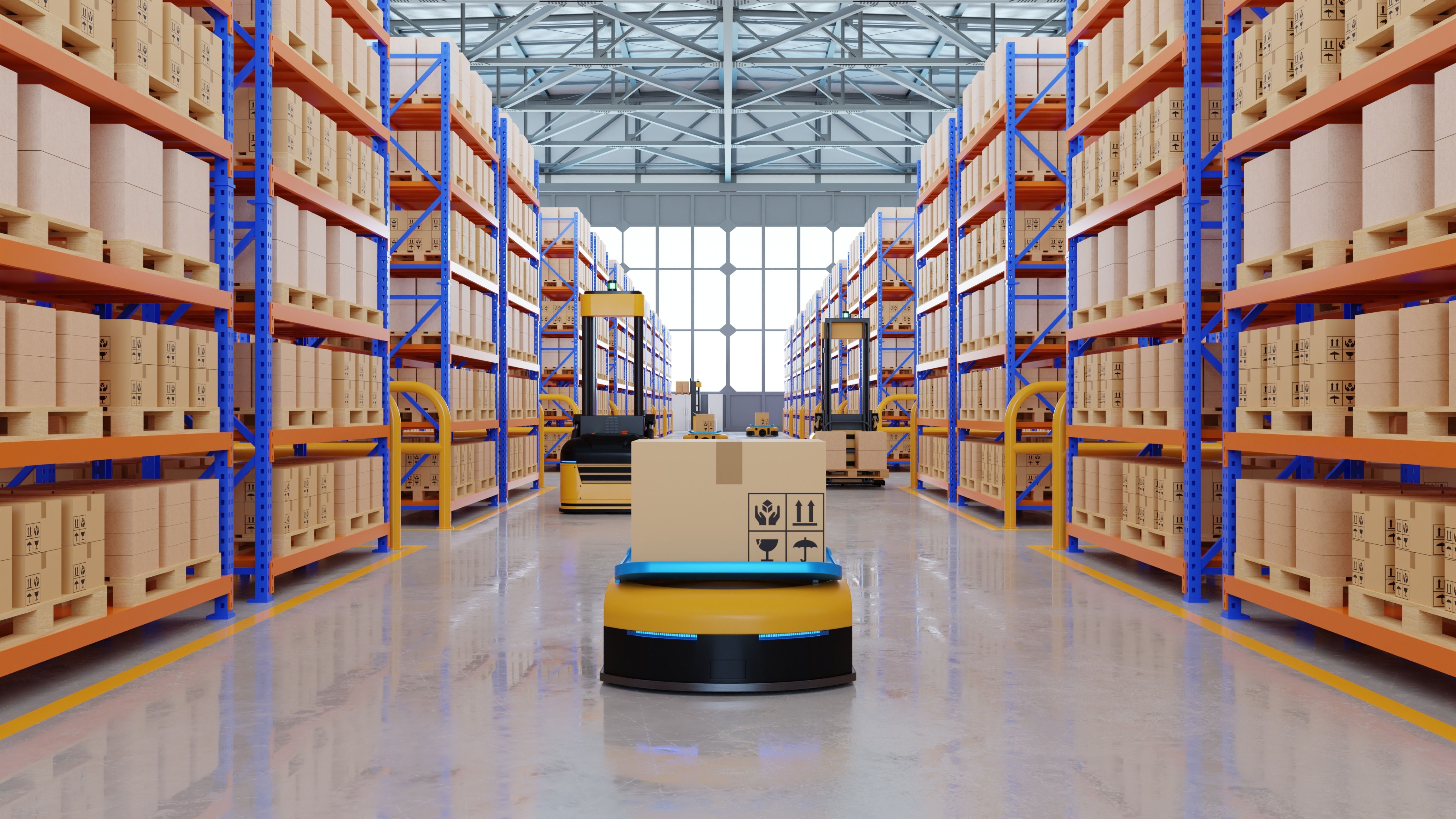
Another focus of the study is the use of Automated Guided Vehicles (AGVs). Compared to manual vehicles, AGVs can significantly reduce TCO – primarily because they lower labor costs and enable more efficient process design.

The scenario (two-shift operation, ten years) compared manual electric high-lift trucks (6 vehicles) with an AGV setup (12 vehicles):

Despite higher investment (€173,719 vs. €20,596) and spendings on maintenance (€83,878 vs. €15,054) for the AGVs, the significant reduction in personnel costs leads to total savings of around €3.6 million over the period under review – which corresponds to approximately 50 percent cost reduction in this scenario.

AGVs can thus be an effective solution to the shortage of skilled workers: They automate standard processes, while existing employees can be deployed for higher-value tasks. The benefits of automation are particularly significant in environments with multi-shift operations and high automation potential, such as in industry or retail.

Outsourcing to 3PL: Greater Flexibility and Access to Expertise

In addition to the vehicle fleet, the study also examines the outsourcing of entire intralogistics processes to third-party logistics providers (3PL). By outsourcing, companies can reduce costs, share risks, and simultaneously benefit from the service providers’ specialized knowledge, economies of scale, and state-of-the-art technology.

Clear contractual arrangements, transparent communication, and a partnership-based collaboration are prerequisites. Despite a currently challenging market environment marked by financial pressures and, in some cases, a weaker order situation, outsourcing remains a growth area according to the study – precisely because it enables customized and flexible service packages.

Complex Decisions – Clear Guidelines

The study also highlights the competencies companies need to make informed assessments of leasing and outsourcing concepts. In addition to technical understanding of vehicles and systems, solid financial and accounting knowledge is required to correctly assess TCO, taxes, and accounting. This is complemented by logistics expertise to evaluate impacts on processes, lead times, and service levels. The optimal useful life is not set in stone but depends on the interplay of vehicle type, usage model, and cost trends. In many cases, the relevant timeframes range from eight to ten years – with significant advantages if an earlier replacement, for example after four years, is provided for in the lease agreement.

Dirk Matura, Managing Director Industrial Solutions at CHG-MERIDIAN, summarizes the results: “Companies that consistently manage their intralogistics based on Total Cost of Ownership gain a genuine competitive advantage. Full-service leasing, automation with AGVs, and collaboration with specialized logistics service providers not only reduce total costs but also make companies more flexible, resilient, and better positioned for future growth.”

About the study

This study was conducted by Chair of Conveyor Technology, Material Flow, and Logistics of the TUM School of Engineering and Design and published by Prof. Dr.-Ing. Johannes Fottner in 2024.

The data used in this study to calculate the TCO of industrial vehicles and AGVs is based, among other things, on real-world data collected from companies across various industries and regions. The data was collected and evaluated by CHG-MERIDIAN Industrial Solutions GmbH in collaboration with the study’s authors. In addition, TCO calculations from other providers were analyzed to develop the calculation model. For certain parameters, such as investments in industrial trucks or their operating costs, assumptions were made regarding future developments and trends in the industry. These assumptions are based on an analysis of market data, empirical values, and forecasts from industry experts. The results of the TCO calculations should therefore be considered realistic and relevant to practical applications.

Contact us

If you have any questions please get in touch with us.